No Token Before Product: Our Traction-Gated Roadmap
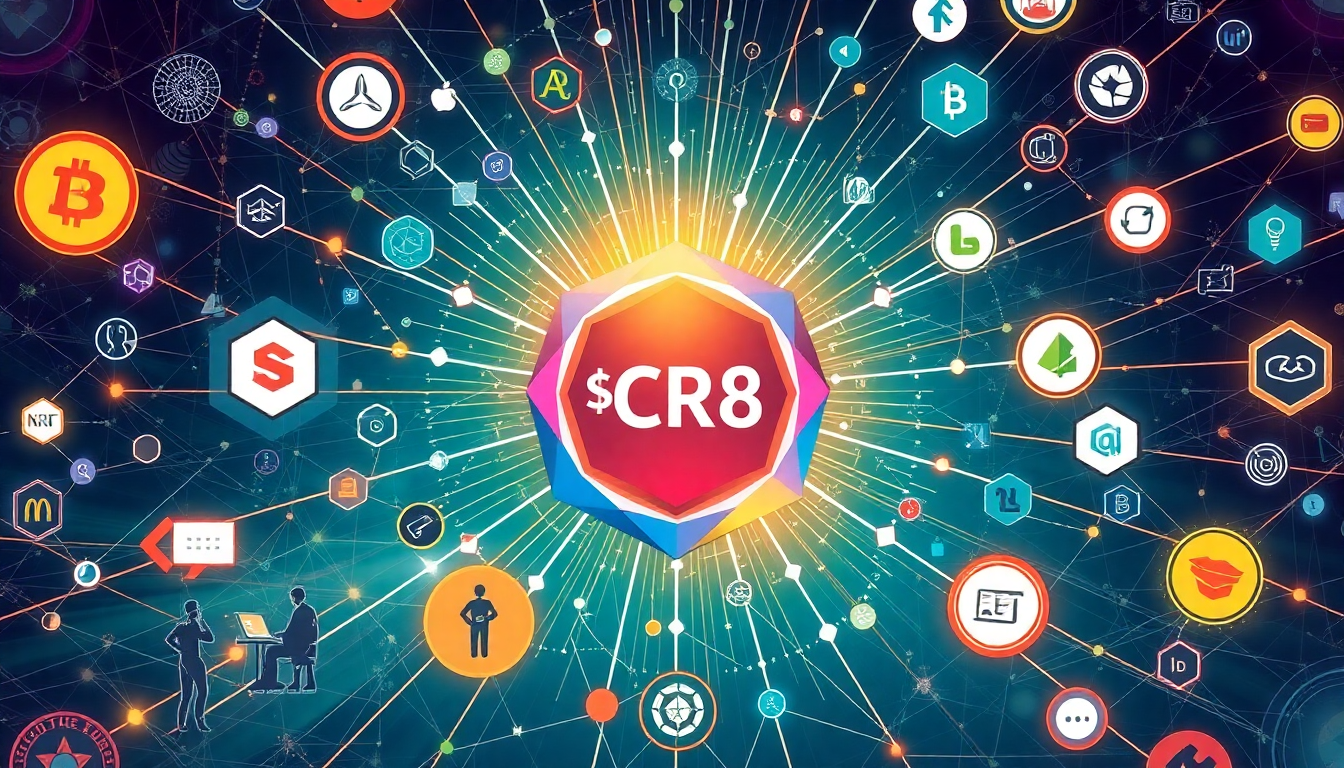
Create Protocol’s relaunch follows a four-phase, traction-gated roadmap, and its first principle is “no token before product.” Each phase turns on when there is demand for it — not on a calendar, and not to satisfy a fundraising narrative. This post lays out the sequence and the reasoning.
The four phases
Phase 1 — Agent registry MVP. In progress. The AgentDeposit contract on the Arbitrum Sepolia testnet, USDC settlement, a small set of curated agents, and idle float auto-parked in Lucidly syUSD vaults. This is the product proving it works.
Phase 2 — CR8-USD stablecoin. Specified. A native stablecoin with a 1% burn toll (0.5% each way) that funds protocol revenue, plus Lucidly-backed yield on idle float. It ships once the registry has measurable traffic for the toll to capture.
Phase 3 — CR8 token + staking. Gated on traction. Governance and real-yield staking, where stakers earn from the burn toll and vault spread. The modelled design is an 11.1B fixed supply. There is no token today, and there won’t be one until the phases before it have proven demand.
Phase 4 — Revenue expansion. Roadmap. Additional streams — a compute marketplace, a creative registry, private inference, DC finance — each switched on when there is demand for that specific stream, not bundled up front.
The principles behind the sequence
The order isn’t arbitrary. Four principles govern it:
- No token before product. A token is an incentive layer for something that already works. Launching one first inverts the logic.
- No custom yield where Lucidly already solves it. Reusing a specialist beats reinventing a worse version.
- No custom chain until volume justifies it. Arbitrum is the disciplined choice until evidence says otherwise.
- No revenue-stream stacking before the first one works. One working stream beats five promised ones.
Why traction-gating is the honest choice
Crypto roadmaps usually read as calendars: token in Q2, staking in Q3, ecosystem fund in Q4. That framing rewards shipping tokens over shipping products, and it commits a team to dates it can’t control.
Gating on traction flips the incentive. A phase exists to be earned by the phase before it. If Phase 1 doesn’t attract real agent activity, Phase 2’s stablecoin has nothing to capture — so the honest move is to fix Phase 1, not to launch a token to paper over it. It’s slower on paper and more durable in practice.
Follow along
- The live Phase 1 status and every repository are on the Developers & Ecosystem page.
- Read the relaunch overview for the bigger picture.
- Short answers are in the FAQ.
No token before product. It’s a constraint we chose on purpose — and it’s the clearest signal of how the agent economy is being built.